As pet owners, we want to ensure the best possible health and well-being for our furry companions. Among the various concerns, the impact of stairs on puppies’ hips is a topic that often raises questions and concerns. In this article, we’ll delve into the relationship between stair usage and hip health, especially in younger dogs, and explore best practices for ensuring their safety and comfort.

Understanding Hip Health in Dogs
Hip joint issues are a common concern in dogs, especially in larger breeds like Great Danes, German Shepherds, and Labrador Retrievers, as that is where it is predominately seen. However, problems with joints can happen to any dog breed of any age or size.
Canine hip dysplasia is a condition where the hip socket joint doesn’t fully cover the ball portion of the upper thigh bone, can lead to mobility issues and discomfort, particularly in older dogs. However, the development of hip dysplasia can also begin at an early age, making it crucial to consider the impact of stairs on young puppies. If you have hardwood floors it is important to be careful with your new puppy as they may slip which can increase their chances if joint problems in the long run.
Impact of Stairs on Puppies’ Hips
The debate surrounding the use of stairs for puppies revolves around the potential strain it may put on their developing hip joints. While older dogs and dogs with existing hip problems may face challenges navigating stairs due to mobility issues or joint conditions like elbow dysplasia, the impact on young puppies is a topic of ongoing study and discussion.
Puppies, particularly large breeds, undergo rapid growth during their early weeks and months of age. During this critical period, their bones and joints are still developing, including the growth plates responsible for bone lengthening. Strenuous exercises, including frequent stair climbing, may pose a risk to the proper development of these joints, potentially leading to joint issues later in life.

Factors to Consider
Several factors come into play when assessing the impact of stairs on puppies’ hips:
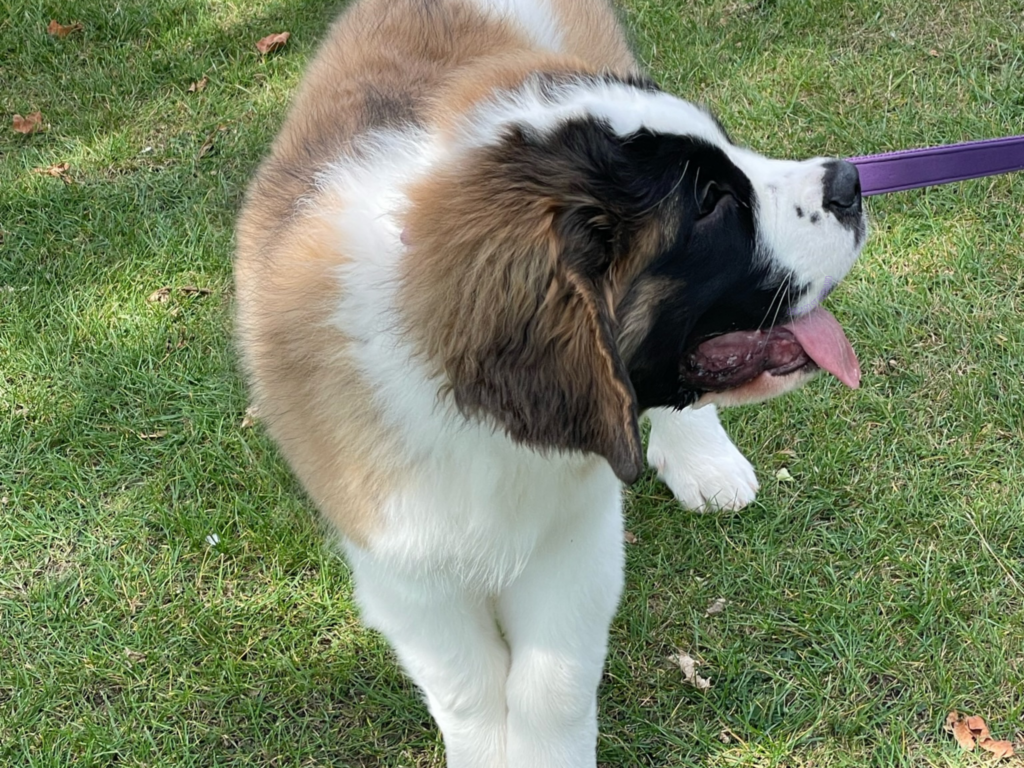
- Growth Rate: Large and giant breeds, such as Great Danes, Golden Retrievers and Saint Bernards, have a faster growth rate compared to smaller breeds. Their bones and joints may not be fully developed until they reach adulthood, making them more susceptible to injuries caused by activities like stair climbing.
- Body Weight: The body weight of a puppy, combined with the force exerted on their joints while climbing stairs, can contribute to potential strain and impact on their developing hip joints.
- Environmental Factors: Factors like the type of stairs (outdoor vs. indoor, hardwood vs. carpeted), the presence of slippery surfaces, and the depth perception of young pups can affect their ability to navigate stairs safely.
- Genetics: Certain breeds are predisposed to hip and joint conditions due to genetic factors. Chondrodysplatic Dog Breeds, such as Basset Hounds, Corgis and Dachshunds, have a longer body with short legs meaning their will be extra strain on their joints. Pet owners of large breeds should be particularly cautious when allowing their puppies to use stairs frequently.
Stair Safety Tips for Puppies
While it’s essential to provide moderate exercise for young dogs to promote healthy growth and muscle development, it’s equally crucial to ensure their safety and prevent potential hip problems. Here are some stair safety tips for puppies:
- Limit Stair Usage: As a general rule, it’s best to limit or restrict stair usage for puppies, especially those under six months of age and larger breeds prone to hip dysplasia.
- Use Pet Gates: Install baby gates or pet gates to block access to staircases, preventing young pups from attempting to climb up or down stairs unsupervised.
- Pet Ramp: Consider using a pet ramp as an alternative to stairs, providing a gradual incline for puppies to navigate safely.
- Positive Reinforcement: Use positive reinforcement techniques to encourage puppies to use ramps instead of stairs, rewarding them for good behavior.
- Regular Exercise: Provide puppies with ample opportunities for moderate exercise on flat surfaces to promote muscle mass and mobility without the risk of strain from stair climbing.
While stairs can be a convenient means of mobility for adult dogs, as it can help them grow leg muscle, the impact on puppies’ hip joints should be carefully considered. By understanding the potential risks and implementing appropriate safety measures, pet owners can ensure their furry friends enjoy an active life while minimizing the risk of hip problems associated with stair usage. Remember, proper care and attention during a puppy’s early age can significantly influence their long-term joint health and overall well-being. If you think your furry friend is showing signs of joint problems, always make sure to see your vet.
Before You Go…
Now you know more about the question “Are stairs bad for puppy hips?” then why not check out some of my other posts which may help with your puppy…
- Do Puppies Need Naps? Everything You Need to Know
- 25 Fun and Interesting Facts About Puppies To Know
- A Guide For Owners: When Can Puppies Eat Cooked Chicken
