Welcoming a new puppy into your home is an exciting time filled with boundless love and joy. As a responsible dog owner, it’s essential to consider your puppy’s needs, especially when it comes to exercise. One common question many new puppy owners ask is, “How long can your 12 week old puppy walk for?” Let’s explore this topic to ensure your furry friend gets the right amount of physical activity for their age and size.

Understanding the Growth Stages
Puppies, like human babies, go through rapid growth stages in their early weeks and months of life. Their bones and joints are still developing, and over-exercising can potentially harm their delicate bodies. For instance, medium to large breed puppies, such as a Border Collie, a sheepdog pup or a Saint Bernard, have different exercise requirements compared to smaller breeds.
The First Walk: A Milestone Moment
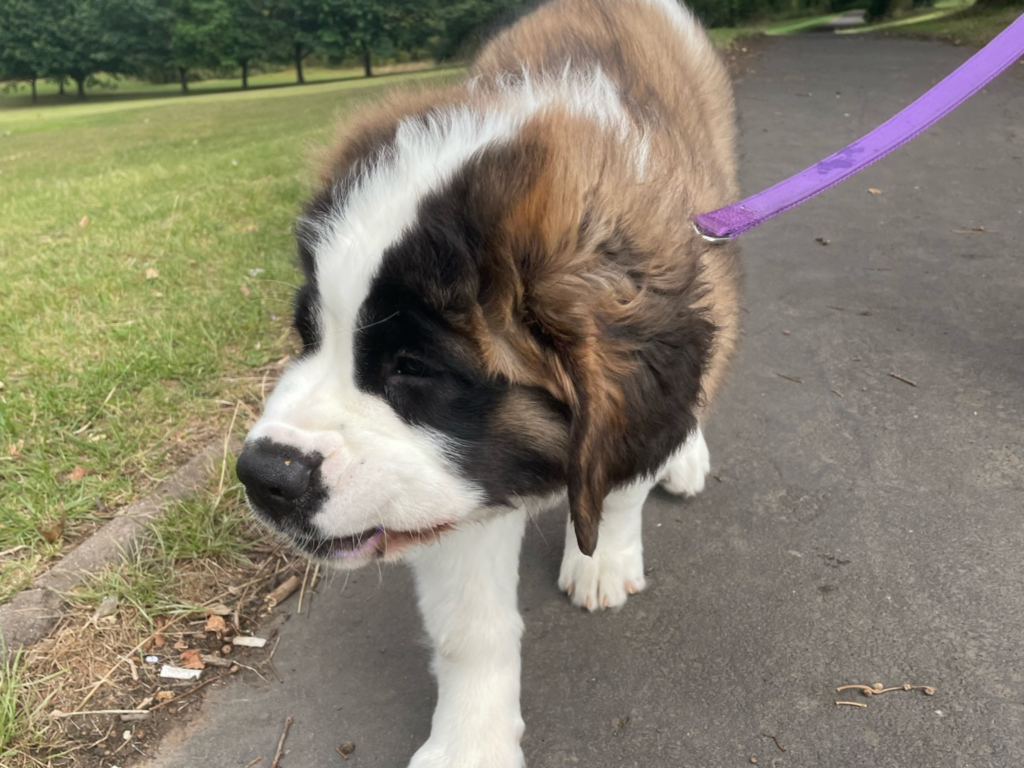
The first walk with your puppy is a milestone moment, even if it is just round the corner, or to the corner of the road, it is a large part of your puppies, it’s crucial to remember that it should be a short and gentle introduction to the outside world . Leash training is essential during these early weeks, as it helps establish good behavior and teaches your puppy to walk at a safe distance from you. It is especially important for those giant breeds such as New Foundlands and Saint Bernards as they grow to be very strong dogs. Therefore, leash training will help us, dog owners, control our pups whether its a short walk or a long walk.
Exercise Guidelines for Puppies
A general rule of thumb is to limit exercise sessions to add five minutes per month of age. For a 12-week-old puppy, this means around 15 minutes per walk. However, it’s vital to pay attention to your puppy’s energy levels and body language as you will know your pup best. If they seem tired or reluctant to continue, it’s time to head back home. It is also essential that you make sure you know your breed. For example, an adult Saint Bernard is recommended to do 1 hour of exercise a day whereas an adult border collie may need at least 90 minutes of exercise per day.
Factors to Consider
Consider factors such as the type of exercise and the environment. For instance, walking on hard surfaces can be tough on a puppy’s developing joints, so opt for softer ground whenever possible. Additionally, avoid crowded public places and unvaccinated dogs until your puppy has received their second jab. It is also important not to over exercise your puppy as this could risk damage to their growth plates and joints which could lead to early onset arthritis, hip dysplasia or other conditions.
Mental Stimulation Matters Too
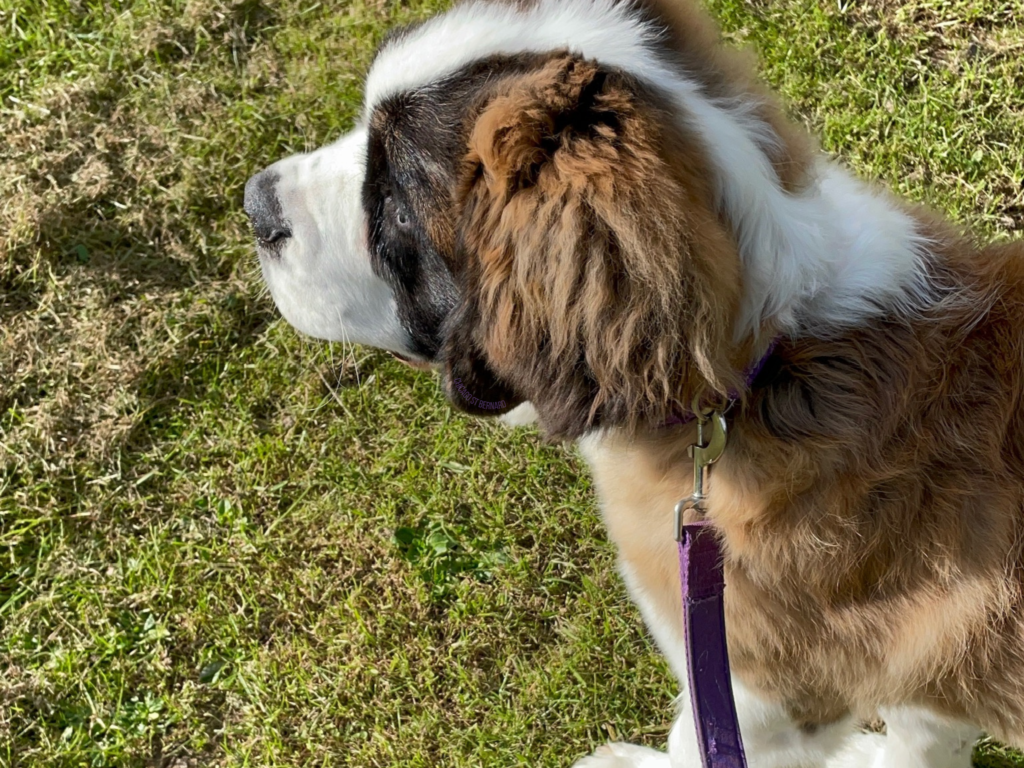
While physical exercise is crucial, don’t overlook the importance of mental stimulation. A good idea for mental exercise is to engage your puppy with interactive toys, training sessions, and exposure to new environments to help them develop into well-rounded adults. Remember during your furry friends training sessions to always have tasty treats to reward their good behaviour, giving them a positive experience when learning new tricks.
Safety First
Always carry poo bags, ensure your puppy wears an ID tag, and keep them on a leash until they’re reliable off-lead. Try not to go on off-lead walks if your puppy isn’t listening and recognising their commands. Also, refrain from taking your puppy up to other dogs, unless you know their vaccination statues, until they have had their second dose as they could pick up a virus which could affect your puppy’s immune system.
Watch out for signs of heat exhaustion, especially in warmer weather, and provide plenty of water breaks during walks. It is important to listen to your dogs exercise needs especially as the weather is getting warmer as they may not be able to have the same amount of exercise as normal. If the weather gets hot, check temperatures throughout the day and try and take them at the coolest times, these tend to be early morning or in the evening.
Gradually Increase Exercise
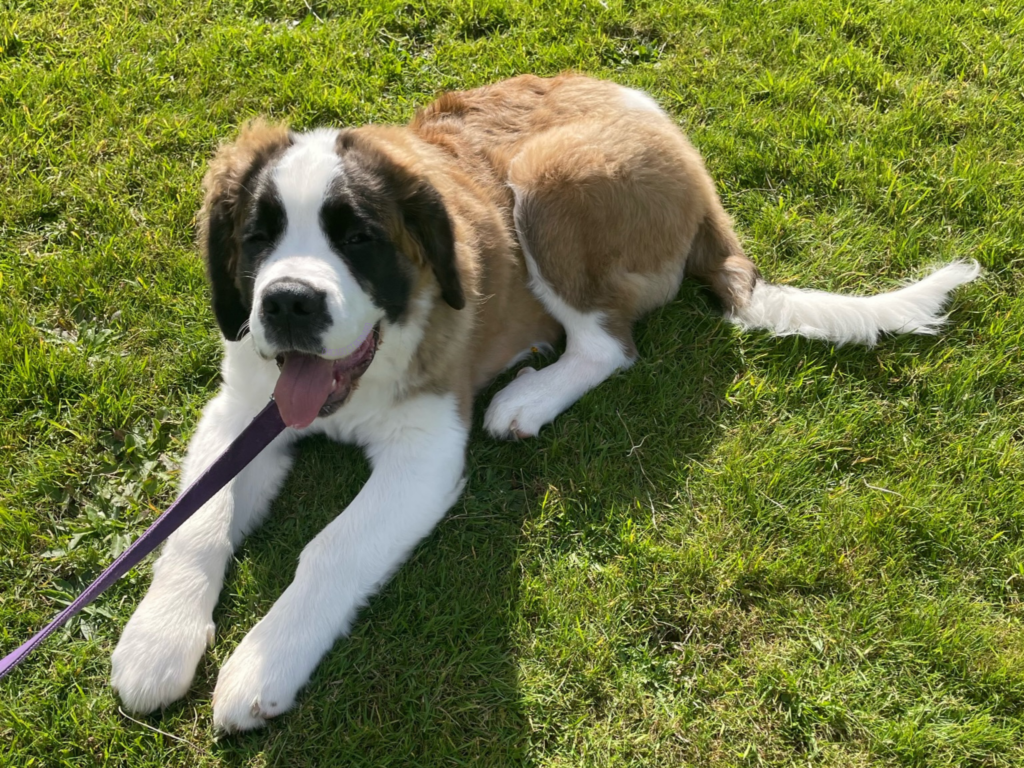
As your puppy grows and their energy levels increase, you can gradually increase the length and intensity of their walks. However, always keep their age, size, and breed in mind, as larger breeds may take longer to reach full maturity. Therefore, keep an eye on the length of the walk and take them to your local parks where you are aware of how far you could walk with your puppy.
While it’s tempting to take your new puppy on long adventures, it’s essential to consider their age and physical limitations. Taking things slow and steady ensures your puppy grows up healthy, happy, and well-adjusted. With plenty of love, positive experiences, and appropriate exercise, your puppy will thrive in their new home and become your loyal companion for years to come. Enjoy your puppy’s first outdoor walks into different environment as you will be there for every pawprint along the way.
Before You Go!
Now you are ready to embark on your puppy’s first walk outdoors, take a look at our other post relating to whether puppies can walk up the stairs at a young age…
A Guide For New Owners: Are Stairs Bad For Puppy Hips?
