Many pet parents wonder if it’s possible to train a 2-year-old dog. The good news is, dogs are lifelong learners and can be trained at any age! While puppies are often seen as the ideal candidates for training, older dogs, young adult dogs, and even senior dogs can learn new tricks and behaviours with the right approach for them. In this guide, we’ll explore how to train a 2-year-old dog, address common misconceptions, and provide tips for making the training process effective and rewarding for both you and your canine companion. Let’s explore the question on How to train an adult dog!

Why Train an Adult Dog?
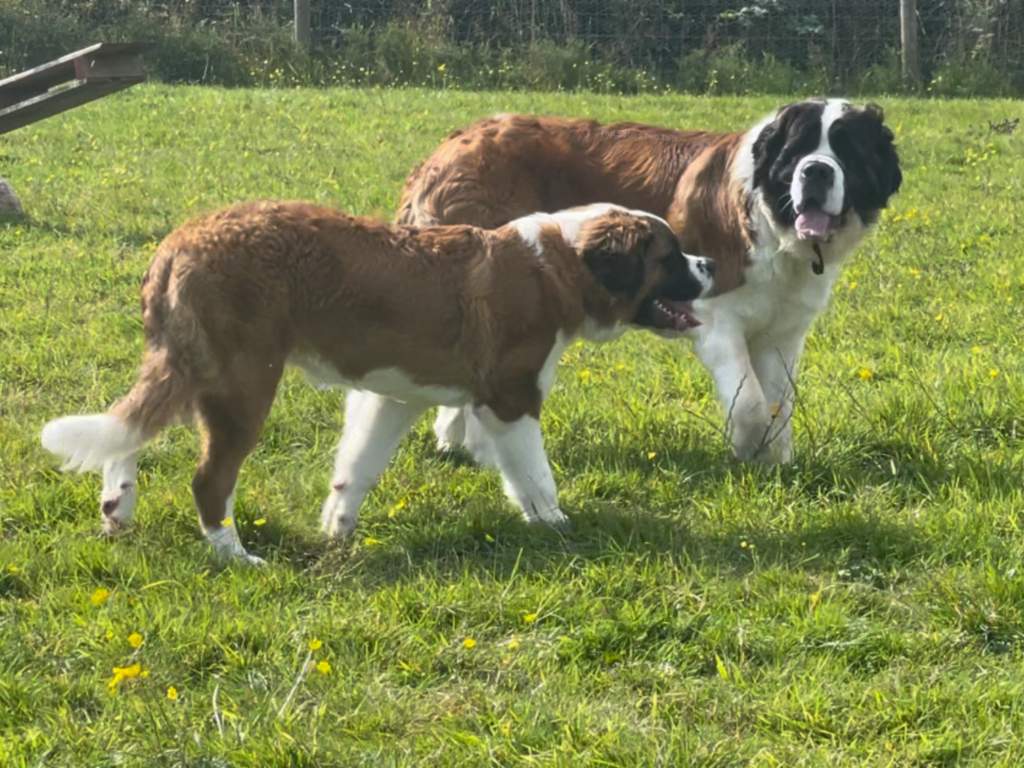
Older dogs may not have the boundless energy of younger dogs or new puppies, but they bring several advantages to the training process. For one, they’ve often outgrown the impulsive behaviours associated with maturity and young dogs. They’re more focused and may respond better to structured training methods. This all depends on your dog and their breed though, for example, Saint Bernards aren’t known to mature until 2-3 years of age and still have a bit of puppy excitement. Whether you’ve adopted a rescue dog, welcomed a dog from a previous home, or are simply working with your own dog to address undesirable habits, training a 2-year-old dog is both practical and achievable.
Common Misconceptions About Training Older Dogs
One of the most common misconceptions about dog training is that older dogs can’t learn new behaviors or unlearn bad habits. This is far from the truth. With patience, consistency, and the right training approach, a dog of any age can learn new skills, improve bathroom habits, and even excel at basic commands like “sit” and “stay.”
First Steps in Training a 2-Year-Old Dog
- Assess Medical Issues: Before starting any training routine, rule out medical conditions that might affect your dog’s behavior. For instance, frequent potty accidents could signal a urinary tract infection or other physical problems instead of a training problem. Always consult a veterinarian if your dogs behaviour could be linked to illness to ensure your dog is healthy and ready to train.
- Understand Past Experiences: A dog’s previous home and past experiences can influence their behavior. Rescue dogs, for example, may need extra time to adjust to a new home and new situations. Be patient and observe their body language to build a good relationship and take into account that their previous couple of years may not of been the best.
- Create a Safe Space: Designate a small room, such as the laundry room or living room, or use a crate to provide a safe space where your dog feels secure. Crate training is an effective way to establish boundaries and teach bathroom habits.

House Training and Potty Training
Potty training an older dog can be challenging, but it’s not impossible. Start by establishing a regular schedule for bathroom breaks. Take your dog to an appropriate potty area – such as a designated bathroom spot in the yard – first thing in the morning, after meals, and every few hours. Remember that their bladder is fully grown when older so they will be able to hold their bladder more. If this isn’t the case, consider seeing a vet to rule out any medical condition. Use baby gates to restrict access to areas where potty accidents are most likely.
- Use Pee Pads Sparingly: While pee pads can be helpful during the training process, they should not replace outdoor potty breaks – they should be temporary! Gradually transition your dog to using outdoor bathroom spots.
- Enzyme Cleaners for Accidents: If accidents happen, clean soiled areas thoroughly with an enzyme cleaner and a strong fragrance to remove odors that might encourage repeat accidents.
- Positive Reinforcement: Reward good behavior with lots of praise and special treats when your dog uses the correct place to go potty.
Teaching Basic Commands
Basic commands like “sit,” “stay,” and “come” are essential for a well-trained dog. Use simple commands paired with hand signals and verbal cues to help your dog understand what you’re asking. Reward their successes with special small treats and lots of praise.
- Consistency is Key: Regular training sessions, ideally 10-15 minutes long, will help reinforce new skills.
- Clicker Training: This method uses a clicker to mark desired behaviors, followed by a reward. It’s an effective tool for teaching basic commands and new tricks. This is method depends on your dog and not all dogs need this.
- Avoid Common Mistakes: Don’t punish unwanted behaviors; instead, redirect your dog’s focus and reward the desired behavior.
Addressing Unwanted Behaviors
Many adult dogs come with undesirable habits like barking at loud noises or jumping on family members. The right approach to correcting these behaviors involves understanding their root cause and using positive reinforcement to teach alternatives. For example:
- Loud Noises: If your dog reacts to loud noises, create a safe space where they can retreat. They make feel more comfortable to have you in the safe space with them. Gradually desensitize them by exposing them to controlled noise levels while rewarding calm behavior.
- Jumping: Teach your dog to “sit” when greeting people, rewarding them for staying calm. The Command “Off” is also good for jumping or climbing furniture when you want them to get off.
Establishing a New Routine
Dogs thrive on routine, so create a consistent schedule for feeding, walks, and potty breaks. A regular schedule helps your dog anticipate what’s next and reduces anxiety in new situations.
- Plenty of Opportunities for Bathroom Breaks: Take your dog out every two to three hours, especially after meals or naps, this helps them get into a routine and understand where they should be going potty.
- Longer Walks: Incorporating longer walks not only helps with bathroom habits but also provides mental and physical stimulation which can calm down and reduce any excitable behaviours.
Overcoming Training Challenges
If you encounter training issues, don’t lose hope. Seek the help of a professional dog trainer who can provide personalized guidance based on your dog’s needs and yours. Whether it’s crate training, house training, or teaching advanced tricks, a professional can make a big difference.
Training a 2-year-old dog is a family effort. Make sure all family members are on the same page regarding rules, commands, and rewards. If you rely on a dog walker, communicate your training goals so they can reinforce good behaviour during walks. We don’t want any miscommunication with the dogs as this could cause a setback in the training course.
Patience and Perseverance
Training an older dog requires patience and perseverance. It may take longer for a 2-year-old dog to learn new things compared to a younger puppy, but with consistent effort and the right training methods, the results will be worth it. Remember to celebrate all small victories and never underestimate the potential of your furry friend.
Hard Work Pays Off
Training a 2-year-old dog is entirely possible and incredibly rewarding. By addressing medical reasons, using positive reinforcement, and establishing a regular routine, you can help your dog become a well-trained and happy member of your family. Whether you’re teaching basic commands, improving bathroom habits, or overcoming past challenges or learning some fun tricks, your best efforts will lead to a strong, loving bond with your four-legged friend. With plenty of opportunities for growth and learning, your adult dog can prove that it’s never too late to learn new tricks!
Other Blog Posts
- To Wake or Not: Nighttime Potty Training for Puppies
- A Guide On How to Crate Train a Puppy That Cries
