Welcoming a new puppy into your home is an exciting and joyful experience. As a new puppy parent, you might find yourself overwhelmed with the array of puppy toys available at the pet shop. From plush toys to rope toys, the choices seem endless. So, how many toys should a puppy have? The answer isn’t a specific number, but rather a consideration of variety, safety, and the needs of your furry friend.

Variety is Key
Puppies, like children, benefit from having a variety of toys. Different types of toys serve different purposes and can help with your puppy’s development and mental stimulation. Here are some categories of toys and their benefits:
- Plush Toys and Comfort Toys: These are great for providing comfort, especially when your puppy is adjusting to a new home. Soft toys can also serve as a favorite toy for snuggling.
- Squeaky Toys and Interactive Toys: These toys are excellent for keeping your puppy engaged. The sound and interactive nature of these toys can stimulate your dog’s mind and keep them entertained for a short time.
- Tug Toys and Rope Toys: Tug-of-war ropes and similar toys are fantastic for interactive play. They help foster a bond between you and your puppy and can also be a good way to channel their natural behavior for rough play.
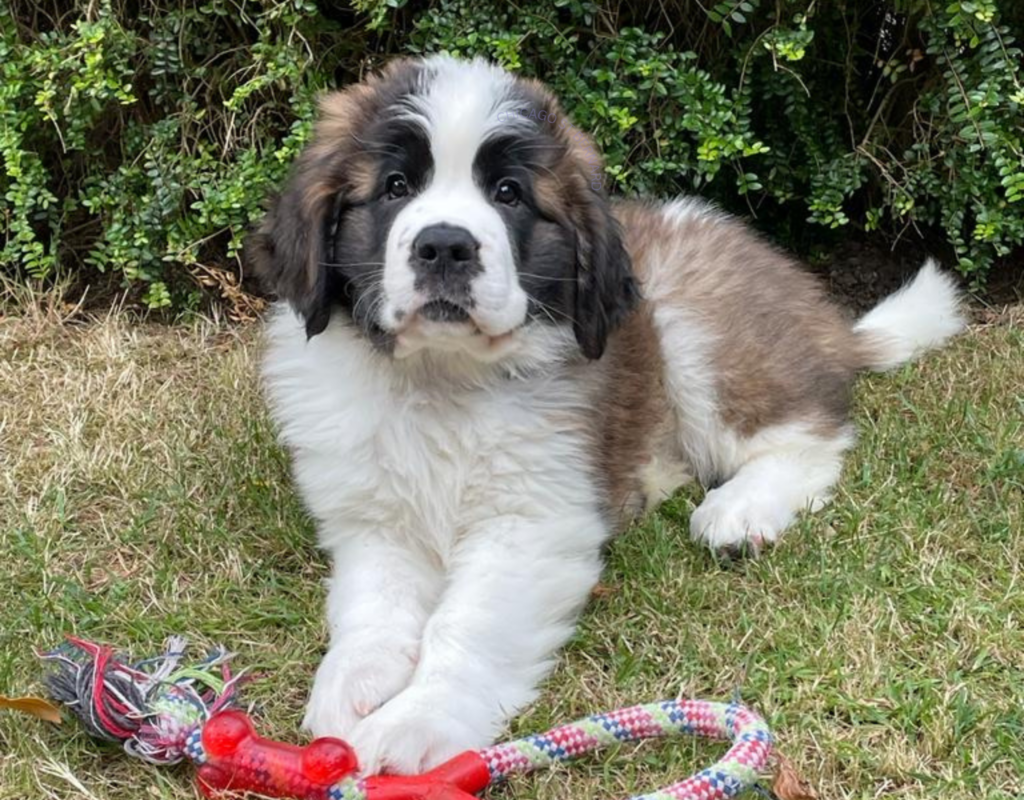
- Tennis Balls and Ball Toys: Perfect for games of fetch, these toys help with physical exercise and coordination. However, ensure that the balls are the right size to prevent choking hazards. For example, for a giant breed such as Saint Bernards a tennis ball may not be a suitable size and could be a serious choking hazard.
- Durable Chew Toys and Hard Rubber Toys: For teething puppies, these toys are essential. They help with dental health and soothe sore gums. Bully sticks and durable chew toys are good options for heavy chewers.
- Puzzle Toys and Interactive Dog Toys: These toys challenge your puppy’s brain and provide mental stimulation. Puzzle toys are particularly good for older dogs as well, helping to keep their minds sharp.

Safety First
When selecting toys for your puppy, safety should be a top priority. Look for toys that do not have small pieces that can be easily chewed off and swallowed, posing a choking hazard. Ensure that toys do not have sharp edges that could hurt your puppy. For aggressive chewers, opt for durable toys specifically designed for heavy use. This may take a bit of research and trialling to see what is best for your pup’s chewing habits.
The Right Toys for Different Needs
Puppies have different needs at different stages of their development. Small breeds may prefer softer, smaller toys, while larger breeds like German Shepherds might need tougher, more durable toys. It’s important to observe how your puppy interacts with their toys and adjust accordingly. After observing their behaviour and which toys they go to the most, you will be able to make the decision on which toys are best for them in the future.
Rotating Toys
Instead of overwhelming your puppy with a large number of toys at once, it’s a good idea to rotate their toys. Keep a few toys in your puppy’s crate and switch them out every couple of days to keep things fresh and exciting. This approach prevents boredom and maintains your puppy’s interest in their toys. Having a toy box which includes lots of different toys for your pup can be a great way for them to learn to help themselves to which toy they want rather than using the same toys every time.
The Bottom Line
The number of toys a puppy should have isn’t set in stone. Aim for a variety of toys to cover different types of play and developmental needs. On average, having about 10-15 toys available at any given time is a good range. Remember, the best way to ensure your puppy stays happy and healthy is by providing them with appropriate chew toys, interactive play, and mental stimulation.
As your puppy grows into an adult dog, their preferences and needs may change, so always be ready to update their toy collection. And don’t forget, spending quality play time with your fur baby is one of the most important things you can do to strengthen your bond and keep them content.
Happy playing, pet parents!
Before you go . . .
- Tips On What To Bring When Picking Up Your Puppy
- When is it Safe for Your Puppy to Meet Other Dogs?
- A Guide for Pet Parents: Are Rope Toys Safe For Puppies?
- A Guide To The Best Toys For Giant Breed Dogs
